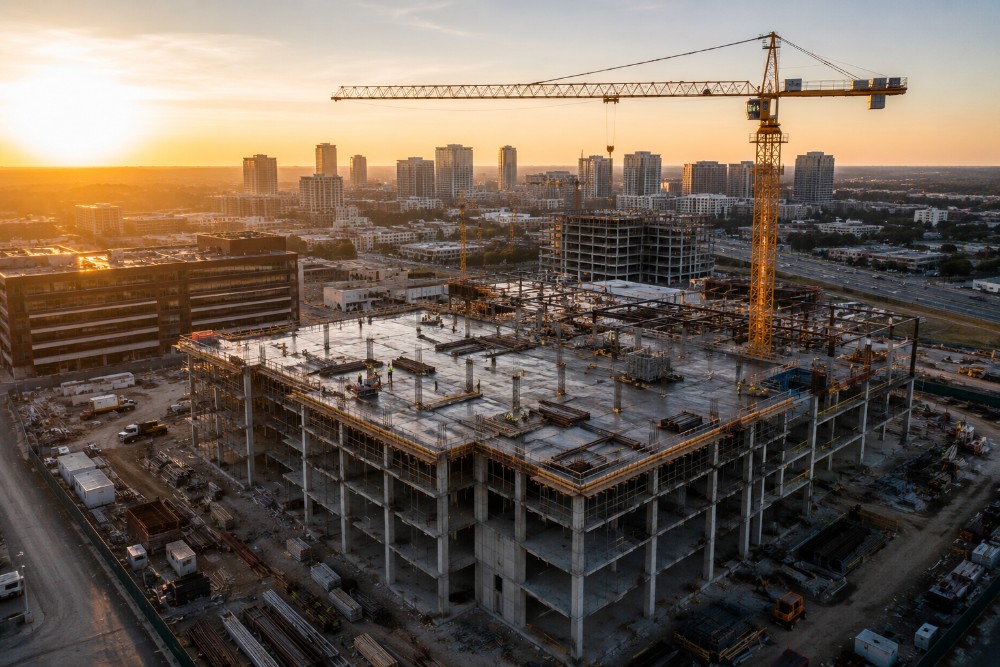
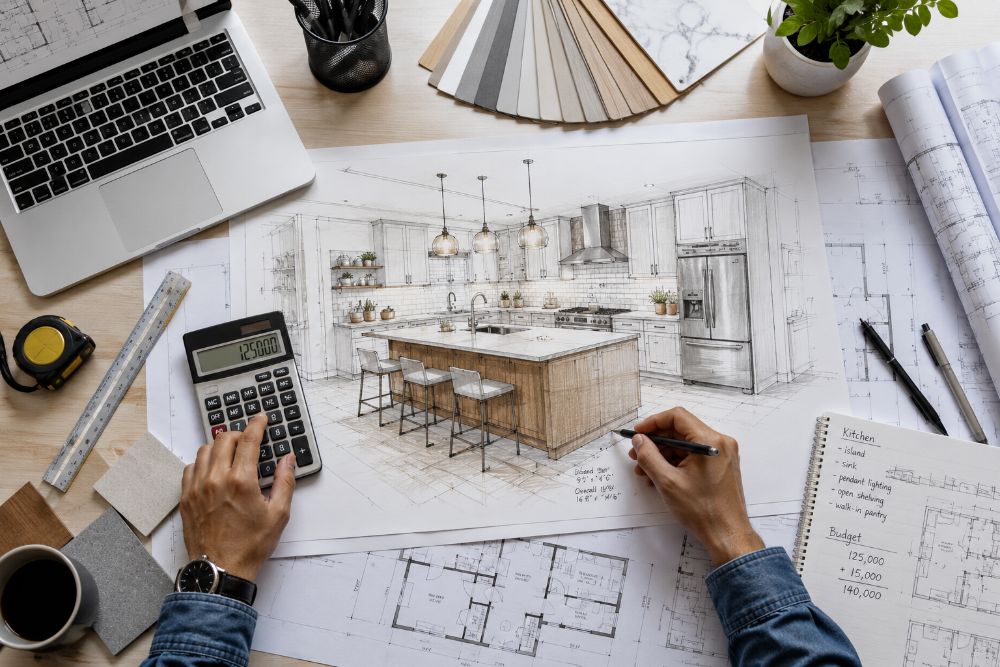

Ask any contractor what caused their last big delay, and you’ll usually hear about weather, material shortages, or a permitting office moving slowly. All true — but rarely the whole story. After 25 years and 500+ projects, we’ve found the deepest root cause is almost always something that happened months earlier: a gap in the planning phase.
The Real Cause of Delays
Weather and supply chains are visible, easy-to-blame culprits. But when we audit delayed projects — ours and others’ — the pattern is consistent: the schedule assumed information that wasn’t actually confirmed yet. A permit that was “expected” but not filed. A material lead time that was estimated, not quoted. A design detail left unresolved until the crew hit it in the field.
None of these show up as “planning failures” in a post-mortem. They show up disguised as weather delays, subcontractor delays, or supply chain issues — because that’s the visible symptom, not the cause.
Common Planning Gaps We See
- Permit applications filed with incomplete drawings, triggering review cycles
- Material lead times estimated from memory instead of confirmed with suppliers
- Design decisions deferred to “figure out during construction”
- Subcontractor scopes with overlapping assumptions about who does what
Every one of these is fixable before a single crew member sets foot on site — which is exactly the point.
How We Prevent It
Our planning phase exists specifically to close these gaps before they become schedule risk. That means permits are filed with confirmed, complete drawings; material lead times are quoted directly by suppliers, not estimated; and every design decision is resolved on paper, not in the field.
It also means every trade’s scope is written down and cross-checked against the others, so there’s no ambiguity about who’s responsible for what — a small step that prevents a surprising number of on-site standoffs.
The Takeaway
The next time a project timeline slips, it’s worth asking: was this really unavoidable, or was it a planning gap wearing a weather forecast as a disguise? In our experience, thorough planning doesn’t just protect the schedule — it protects the budget, the relationship, and the final quality of the build.